

Ask a Final Fantasy fan whether the games are all connected, and you’ll probably get a 20-minute explanation about multiverse theory, Dissidia lore, and why Chocobos show up everywhere. The truth? It’s complicated. Final Fantasy games occupy a fascinating space in gaming where most entries are completely separate universes with their own stories, characters, and worlds, but Square Enix has spent decades weaving threads of connection through spin-offs, sequels, and crossovers that blur those boundaries. Whether you’re a newcomer wondering if you need to play FF VII before touching FF VIII, or a veteran trying to piece together how Kingdom Hearts figures into the broader lore, this breakdown covers the real state of Final Fantasy’s fragmented yet surprisingly interconnected universe as of 2026.
Key Takeaways
- Each numbered Final Fantasy game exists in its own independent universe with separate stories, characters, and magic systems, so you don’t need to play them in order.
- Direct sequels like Final Fantasy X-2 and XIII-2 are narrative continuations that build on their predecessors, requiring prior games for full story understanding.
- The Compilation of Final Fantasy VII exemplifies how spin-offs (Crisis Core, Dirge of Cerberus) can expand a single universe while maintaining timeline and lore consistency.
- Final Fantasy’s recurring creatures like Chocobos, Moogles, and summons represent thematic consistency and parallel evolution across universes rather than literal connections between worlds.
- Dissidia games present a multiverse framework where all Final Fantasy worlds exist simultaneously, offering the closest explanation for how characters and universes relate metaphysically.
- Final Fantasy XIV, XI, and spin-offs like Kingdom Hearts operate as completely separate universes from mainline games, making modularity a core strength that lets players jump into any entry independently.
The Final Fantasy Franchise Structure: Standalone vs. Connected
Main Numbered Entries: Independent Worlds and Stories
Here’s the core rule: each numbered Final Fantasy game (I through XVI) exists in its own world with its own mythology, magic system, and cast of characters. Final Fantasy VII takes place on a planet called Gaia where mega-corporations exploit Mako energy. Final Fantasy VIII happens on a different world entirely where military academies train elite soldiers called SeeD. Final Fantasy X unfolds on Spira, a continent threatened by an apocalyptic force called Sin. These aren’t connected by default, they don’t share characters, timelines, or even consistent lore rules.
This independence is intentional. It allows each game to experiment with storytelling, gameplay mechanics, and thematic exploration without being shackled to franchise continuity. FF VI’s tale of rebellion against tyranny doesn’t need to reference FF V’s job-system crystal world to be impactful. FF XIII’s focus on time paradoxes and linear narrative design works fine in isolation from FF IX’s more traditional hero’s journey.
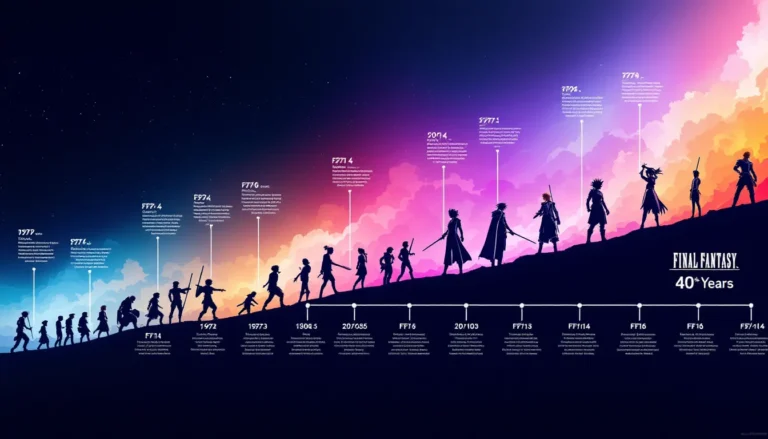
Each numbered entry typically concludes its narrative arc within the same game. You don’t need to play FF IV before FF V. You won’t miss the plot of FF XI by skipping FF X. This structure made the franchise accessible and allowed Square (and later Square Enix) to take wild creative risks with every mainline installment, a strategy that’s kept the series fresh across four decades.
Direct Sequels and Their Role in Continuity
That said, some numbered entries do get direct sequels, and that’s where things get interesting. Final Fantasy X-2 continues Yuna’s story directly, set years after the original FF X concludes. You’re expected to have finished FF X to understand the emotional weight of FF X-2. Similarly, Final Fantasy XIII-2 and Lightning Returns: Final Fantasy XIII are explicit sequels that expand the Lightning saga across three games. These aren’t optional side stories, they’re narrative continuations.
Direct sequels follow the standard pattern: same world, evolved plot, returning characters (usually), and escalated stakes. They’re not spin-offs or alternate retellings: they’re legit sequels positioned as numbered entries (or in some cases, numbered with suffixes like XIII-2). If you want the complete story of the XIII universe, you need all three games. If you’re interested in Spira’s full narrative arc, both X and X-2 are essential.
But here’s where it gets messy: Final Fantasy IV had multiple sequels (FF IV: The After Years, FF IV: Interlude), none of which are traditionally numbered, yet they continue the story set decades later. These exist in a gray zone between “main entry” and “spin-off.” Fans still debate whether they’re “real” FF IV sequels or optional expansions. The takeaway: if a game shares a number with its predecessor (X-2, XIII-2), it’s a direct sequel. If it has a subtitle, it’s usually optional lore expansion.
Compilation of Final Fantasy VII: A Case Study in Connection
How Compilation Games Link to the Original
Final Fantasy VII is the franchise’s most heavily interconnected universe, and it’s worth understanding because it became the template for how Square Enix handles expanded lore. The original 1997 PS1 game stands alone perfectly fine, but Square Enix couldn’t resist building a “Compilation” around it.
The Compilation includes Crisis Core: Final Fantasy VII (a PSP prequel following Zack Fair), Dirge of Cerberus: Final Fantasy VII (a PS2 shooter with Vincent Valentine), Before Crisis: Final Fantasy VII (a mobile game following the Turks), and the Final Fantasy VII Ultimania guidebooks that filled narrative gaps. These games aren’t just fan service, they’re genuinely important to understanding character motivations in the original. Crisis Core explains why Cloud idolizes Zack and why that twist hits so hard. Dirge of Cerberus resolves character arcs that the original left open.
Crucially, these games maintain continuity. Crisis Core’s ending directly leads into FF VII’s opening. Dirge of Cerberus takes place after FF VII’s conclusion and references Advent Children (the 2005 CGI film that’s also canon). The magic system, materia mechanics, and Lifestream lore remain consistent. When you play Crisis Core, you’re not experiencing an alternate universe, you’re seeing the prequel to Cloud’s story.
The Remake and Rebirth Impact on Continuity
Then Final Fantasy VII Remake (2020) threw a wrench into everything. The Remake isn’t just a remake: it’s a new entry that acknowledges the original game’s existence through time travel and alternate timeline mechanics. Characters literally mention “the future” and “diverging timelines.” It’s set in the same Midgar but with different plot points and additional story content.
Final Fantasy VII Rebirth (2024, PS5 exclusive) continues from Remake and appears to fully diverge the Remake continuity from the original. While the Compilation games technically still “exist” in the lore, the Remake/Rebirth timeline is becoming its own thing, drawing inspiration from the original but carving a new path.
This makes the FF VII universe’s continuity a mess in the best way possible: the original FF VII and Compilation are one timeline, while Remake and Rebirth are another. Both are canon depending on which version of FF VII you’re exploring. For newcomers in 2026, it’s worth noting that Remake and Rebirth stand on their own without playing the original: the games are designed so new players won’t feel lost.
Shared Universes: Final Fantasy X and X-2, XIII and Its Sequels
Expanded Narratives Through Direct Sequels
Final Fantasy X and Final Fantasy X-2 are a matched pair. FF X wraps up Tidus’s story with a bittersweet conclusion on Spira. FF X-2, set two years later, follows Yuna as she grapples with the consequences of FF X’s ending and faces new threats. The relationship between these games is straightforward: X-2 couldn’t exist without X, and playing them back-to-back creates a satisfying two-game narrative arc.
The Final Fantasy XIII trilogy operates similarly but with more experimental structure. FF XIII follows Lightning’s fight against the fal’Cie and deals with fate versus free will. Final Fantasy XIII-2 (2011) jumps centuries into the future and introduces time travel paradoxes, adding philosophical complexity to the universe’s rules. Lightning Returns: Final Fantasy XIII (2013) concludes Lightning’s saga with another time-jump, resolving the paradoxes and character arcs across three games.
Both trilogies use the same world, magic systems, and character relationships to build three-game narratives that escalate in scope. You can’t play XIII-2 as a standalone and expect to understand the meta-narrative about time paradoxes without XIII’s foundation. Similarly, X-2’s emotional beats land because you’ve invested in X’s characters and world.
Thematic and Narrative Bridges Between Games
What makes these sequels work is that they’re not just content extensions, they genuinely expand thematic exploration. FF X deals with death, sacrifice, and the cycle of life. FF X-2 asks “what comes after sacrifice?” and explores grief, hope, and purpose. They’re narratively linked at the emotional level, not just plot-wise.
The XIII trilogy does something similar with fate. FF XIII establishes that fate can be challenged. XIII-2 complicates that by introducing paradoxes and asking whether changing the future is possible or even desirable. Lightning Returns concludes by asking what it means to give people free will. Each game builds philosophical argument across the three-game arc.
For fans exploring these universes, the takeaway is clear: if a game is numbered as a direct sequel (X-2, XIII-2), treat it as a continuation that assumes you’ve played the previous entry. The stories are designed with that expectation baked in.
Dissidia and Spin-Off Connections: Multiverse Explanations
How Dissidia Attempts to Connect All Final Fantasy Worlds
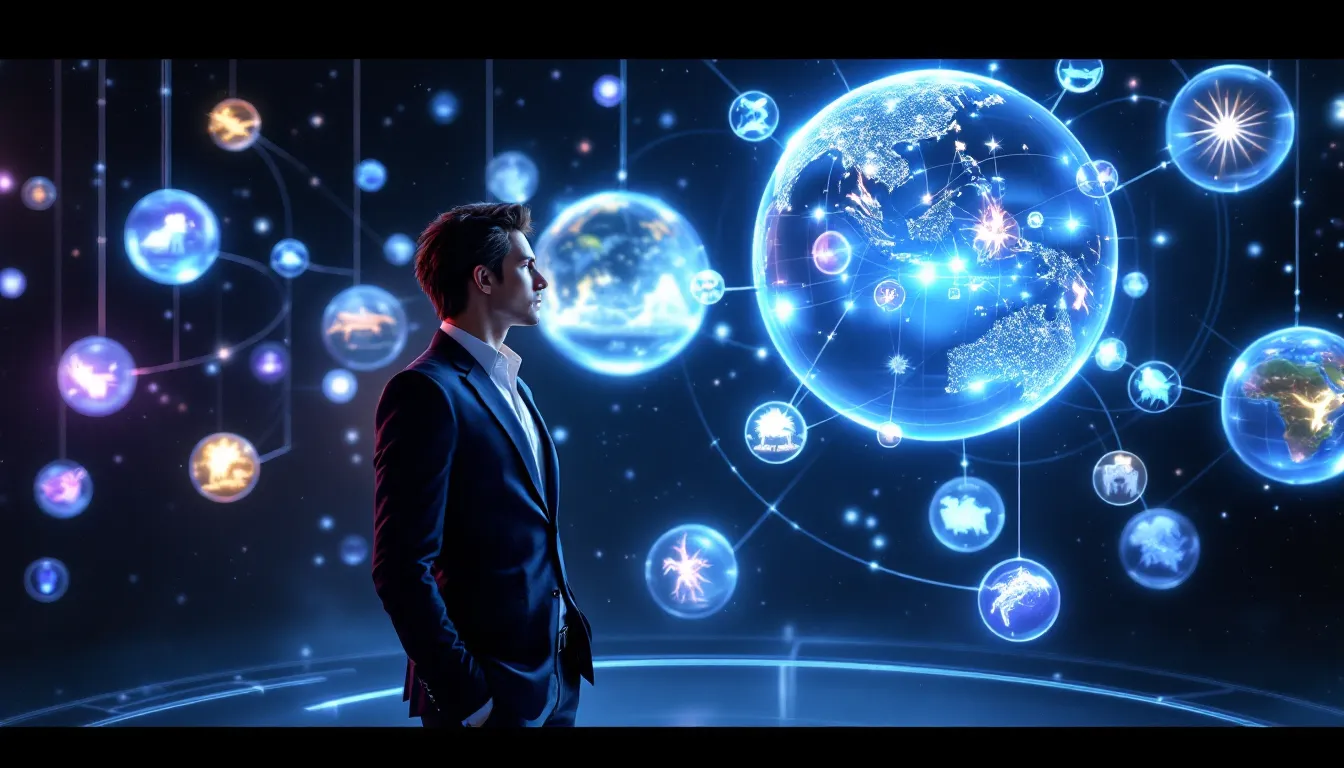
Here’s where Final Fantasy gets wonderfully bonkers: Dissidia Final Fantasy (and its sequels) are literally built on the premise that all Final Fantasy universes exist simultaneously in a multiverse. The original 2009 PSP game was marketed as a way to answer the question “what if Cloud fought Squall?” by introducing a metanarrative where a god-like entity called Chaos pulls heroes and villains from across all Final Fantasy universes into an eternal conflict.
Dissidia’s canon explanation is that the god Cosmos and the god Chaos create a cycle of war, bringing together fighters from FF I through FF X (and later FF XI through FF XV in sequels). These characters retain their original powers, equipment, and abilities but fight in an arena that exists outside their native universes. It’s a narrative framework that works around the fact that each universe has different rules, Cloud doesn’t need Gaia’s Mako system to fight because he’s in a god’s arena, not his home world.
The Dissidia NT (2015) and later Dissidia Final Fantasy (2018, arcade/console) games formalized this multiverse approach with even more elaborate lore involving repeating cycles of conflict. While Dissidia games are technically spin-offs and the “canon” status of the multiverse isn’t officially confirmed by Square Enix, the games present the most explicit answer to “are all FF games connected?”, through metaphysical multiverse mechanics rather than shared history.
Cameos, References, and Easter Eggs Across Titles
Beyond Dissidia, individual games reference each other constantly. Final Fantasy XV features summons that are actual Eidolons from FF XV’s own mythology, but the game also includes callback characters like Noctis’s car (the Regalia) echoing transportation across FF universes. Character cameos appear throughout spin-offs: Final Fantasy Tactics features Cloud and Aerith, creating a weird continuity question (are Tactics set in FF VII’s world? A parallel one? Most fans say it’s a reboot/alternate universe). Final Fantasy Type-0 has a protagonist named Class Zero and exists in its own world, but references to “the crystal” tie it thematically to FF III’s lore.
Moogles, Chocobos, Tonberries, and other recurring creatures show up across universes, but they’re treated as species rather than individuals, a Chocobo in FF VII is a different species-instance than a Chocobo in FF X, not the same creature reincarnated. Similarly, recurring summons like Ifrit or Leviathan appear in multiple games with similar abilities but aren’t explained as the same being across universes: they’re just part of Final Fantasy’s “greatest hits” bestiary that each universe independently possesses.
These references create a sense of franchise unity without requiring literal continuity. It’s fan service and thematic consistency, not storyline connection. Think of it like how every Avengers movie features Iron Man’s suit tech evolving, there’s a through-line of style and world-building, but each FF game builds its own version rather than sharing a single timeline.
The Role of Chocobos, Moogles, and Recurring Elements
Iconic Summons and Creatures Across Worlds
Chocobos are Final Fantasy’s mascot, appearing in nearly every game since FF II (1988). But here’s the thing: each game’s Chocobos are unique to that world. FF VII Chocobos are bred on a ranch and used for transportation. FF X Chocobos are wild creatures you can ride across the desert. FF XV features Chocobos as a mount item you unlock through the Chocobo Post. They’re not the same individual Chocobos, they’re the same species across different worlds, suggesting either parallel evolution or that the Chocobo genome is somehow universal across all FF universes.
Summons follow a similar pattern. Ifrit (a fire elemental) appears in FF VII, FF VIII, FF X, FF XIII, and XV, but it’s not the same Ifrit. In FF X, Ifrit is fought as a boss and then summoned. In FF XIII, Ifrit is a Fal’Cie (a godlike being). In FF VII, Ifrit is a materia you acquire. Each universe has its own Ifrit that fills a similar mythological niche, not a single Ifrit bouncing between worlds.
Moogles, small furry creatures that say “kupo,” appear across most FF games as merchants, side characters, or summons. Like Chocobos, they’re consistent thematically but independent per universe. FF IX made Moogles particularly central (the protagonist Zidane works with them), while FF XIV’s Moogles have their own quest line in the MMO. They’re not connected, they’re just a recurring part of Final Fantasy’s iconography.
Why Recurring Enemies and Items Don’t Mean Connection
Slimes, Tonberries, Behemoths, and other classic FF enemies appear in multiple games. But they’re not individual creatures with memories spanning universes, they’re just part of FF’s shared monster design language. Every universe independently evolved similar creatures because Final Fantasy worlds tend to have consistent mythological frameworks (magic systems, elemental forces, etc.).
Similarly, potions, ethers, phoenix downs, and other healing items are universally consistent across games. But this isn’t because they’re literally the same item type shipped between worlds, it’s because every FF universe independently developed similar solutions to similar problems (healing wounds, curing status effects, etc.). It’s good game design layering with thematic continuity, not lore connection.
Think of it like how every modern video game has health bars. It’s not because all game universes share a universal health system: it’s because health bars are an effective UI convention. Final Fantasy applies the same principle to creatures and items: Tonberries exist everywhere because they’re iconic and work mechanically/thematically, not because they’re literally the same individual Tonberry entity haunting all universes.
Final Fantasy Online Worlds: FFXIV and FFXI Universe Separate
Are MMOs Part of the Broader Final Fantasy Timeline?
Final Fantasy XIV and Final Fantasy XI are their own universes, completely separate from the single-player FF games even though sharing the Final Fantasy name. FF XIV doesn’t connect to FF VII, VIII, or any other numbered entry. It has its own world (Eorzea), its own magic system (Aether), its own lore spanning two base games (A Realm Reborn and multiple expansions), and its own cast of characters.
FF XIV’s meta-narrative involves the concept of “Rejoinings”, cataclysmic events that align parallel worlds. You could theoretically handwave this as Dissidia-style multiverse mechanics, but the game never actually connects to other FF universes. Eorzea exists in its own pocket of reality. The Warrior of Light (FF XIV’s protagonist) doesn’t interact with Cloud, Squall, or Lightning except in April Fools’ joke events.
FF XI, which launched in 2002 and still receives updates, similarly exists in its own world (Vana’diel) with completely independent lore. Neither MMO references the single-player games’ timelines or characters as canon elements. They’re labeled “Final Fantasy” for branding purposes, but the lore is intentionally siloed.
This separation is important because MMOs require persistent worlds with real-time progression. Tying them to single-player game timelines would create narrative impossibilities (“wait, is FF XIV happening before or after the events of FF VII Remake?”). By keeping them separate, Square Enix avoids continuity headaches and lets each game develop independently. FF XIV’s story (especially with expansions like Shadowbringers and Endwalker) stands perfectly well on its own, and it doesn’t need to reconcile with single-player universes to make sense.
Mobile and Spin-Off Games: Their Place in the Lore
Final Fantasy XV is technically a single-player mainline entry (numbered XV), but it existed for a decade in development and accumulated a staggering amount of spin-off content. Final Fantasy Type-0 is a separate PSP/PS4 game with its own world (Orience) and story involving a conflict between different military factions. Kingdom Hearts is a Disney/Square Enix collaboration where FF characters appear alongside Disney properties in a completely bonkers multiverse of Disney worlds.
Here’s the key distinction: Type-0 is entirely standalone. It doesn’t connect to FF XV, even though being developed alongside it. They happen to coexist as 2010s-era Final Fantasy projects, but the stories never intertwine. Type-0’s lore about crystals and the Eidolons operates completely independently from FF XV’s mythology about the Crystal and the gods.
Kingdom Hearts is weirder because it literally smashes multiple universes together, but it does this intentionally through a multiverse framework explicitly built into KH lore. Sora travels between worlds, and some worlds happen to be from Final Fantasy (like the world based on FF VII or FF Type-0). But Kingdom Hearts isn’t trying to say these are connected within FF canon: it’s acknowledging that they exist as separate FF universes that KH’s multiverse has access to. It’s a narrative tool that works within KH’s own logic, not a statement about FF continuity.
Mobile games like Final Fantasy Record Keeper (which pulled teams from across FF history to save worlds) or Final Fantasy Brave Exvius are explicitly non-canon celebration events featuring characters from multiple universes. They’re celebration games, not continuity statements. These games help contextualize how fans approach mobile titles versus mainline entries.
The bottom line: spin-offs and mobile games are typically separate from mainline canon unless explicitly stated otherwise. FF XV stands alone. Type-0 is its own thing. Kingdom Hearts is a fun crossover framework, not a continuity explanation.
The Answer: Understanding Final Fantasy’s Multiverse Approach
So are all Final Fantasy games connected? The honest answer is: most aren’t by default, but they exist in a framework that could connect them.
Here’s the structure:
-
Each numbered entry is independent unless it’s explicitly a sequel (X-2, XIII-2, etc.). FF VII’s world operates on completely different rules than FF VIII’s. They don’t share history, characters, or even consistent mechanics. This independence is the franchise’s greatest strength, it allows experimentation without continuity baggage.
-
Sequels are legitimate story continuations within the same universe. If a game is numbered as a sequel, you should treat it as a direct narrative continuation that builds on the previous game’s story and world.
-
The Compilation model (like FF VII’s) creates expanded universes where multiple games share the same world, magic system, and lore. These games are set in different time periods and follow different characters but collectively build a richer version of that universe.
-
Dissidia and certain crossovers use multiverse mechanics as a narrative device to acknowledge that all these universes exist simultaneously without requiring them to interact in canon. This is the closest thing to an “official” explanation for why FF characters can meet outside their home games.
-
Recurring elements (Chocobos, summons, enemies, items) are thematic consistency, not lore connection. Every universe independently developed similar creatures and items, similar to how every modern fantasy setting has wizards and dungeons without needing shared canon.
-
MMOs (FF XIV and XI) are completely separate from single-player games and each other. They exist in their own persistent worlds with their own timelines.
The franchise structure is intentionally modular. This modularity lets Square Enix take wildly different creative directions with each entry, from FF VII’s cyberpunk corporation thriller to FF X’s religious allegory to FF XIII’s time paradox saga.
Think of it like Marvel before the MCU cinematic universe: the comics had their own universes (Earth-616, Earth-2099, etc.) that rarely interacted, but they could theoretically cross over and fans accepted the multiverse framework. That’s essentially how FF operates, except each game’s universe is more isolated than Marvel comics usually are.
Conclusion
Final Fantasy games aren’t connected in the way you might expect a traditional franchise to be. You don’t need to play them in order. You won’t miss plot points from FF VII by jumping straight to FF XVI. Each numbered entry is designed as a standalone universe that can be experienced independently.
But that doesn’t mean there’s no connection at all. Direct sequels continue stories within their universes. Compilations expand single universes across multiple games. Recurring creatures and summons create thematic consistency. And the multiverse framework (especially through Dissidia) offers a metaphysical explanation for why FF characters and worlds feel related even though existing in separate realities.
For players in 2026, this modularity is a feature, not a bug. It means you can jump into any Final Fantasy game that interests you, whether that’s the Remake’s modern Midgar, FF XVI’s dark fantasy setting, or FF XIV’s MMO world, without worrying about catching up on prior entries. The franchise’s strength comes from each game’s ability to tell its own story while maintaining the aesthetic and mechanical traditions that make it feel unmistakably Final Fantasy.