

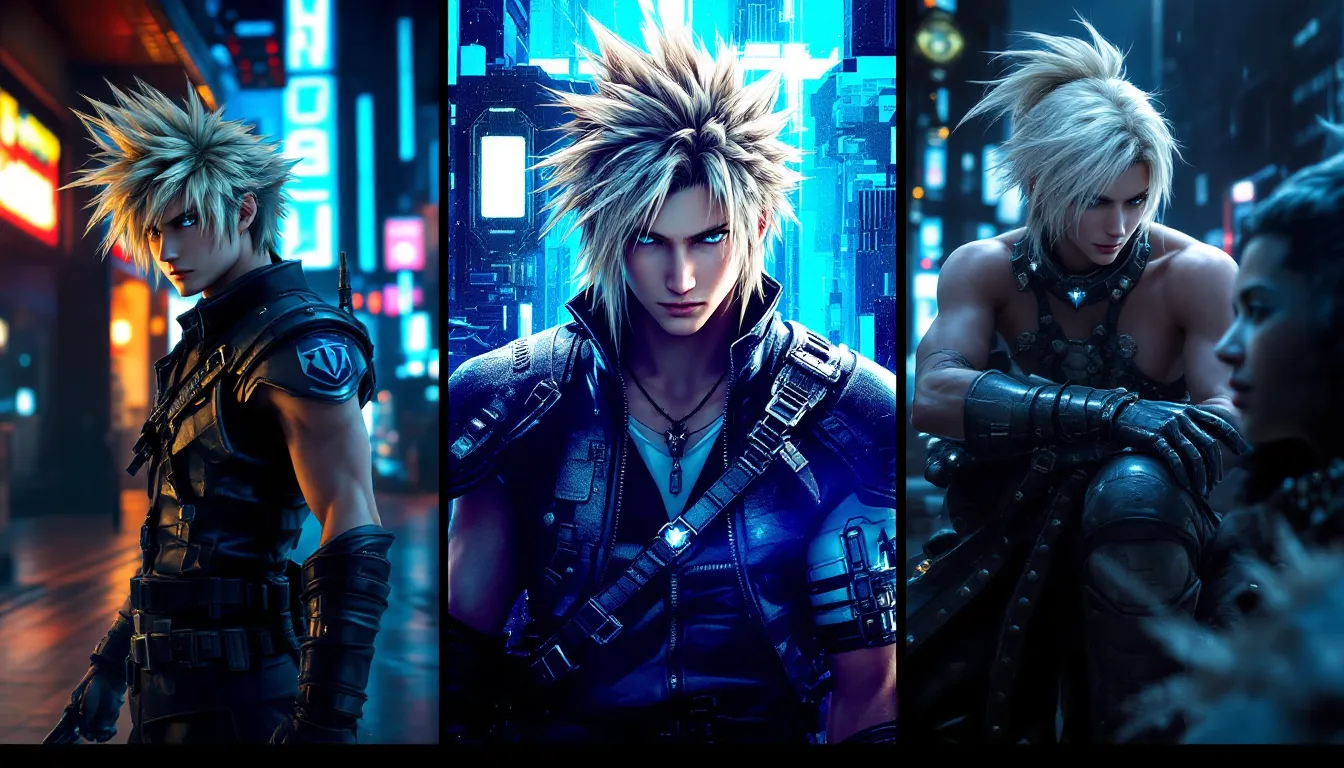
Ranking the Final Fantasy series is like trying to pick your favorite child, everyone’s going to disagree with you, and that’s exactly why it matters. Whether you’re a newcomer wondering where to start or a series veteran debating whether VII deserves the hype, these rankings of Final Fantasy games cut through nostalgia and hype to evaluate what actually makes each entry worth your time. The franchise spans decades, multiple platforms, and wildly different design philosophies, so narrowing down the best Final Fantasy games requires looking beyond just “it was popular” or “I loved it as a kid.” We’ve ranked all the mainline titles by analyzing story depth, gameplay innovation, visual design, audio design, and their lasting impact on gaming culture. Whether you’re planning your next playthrough or just curious how the games stack up, this ranking all Final Fantasy games guide breaks down what each one does best, and where they stumble.
Key Takeaways
- Final Fantasy rankings matter because they guide players through 40-100+ hour investments by evaluating story depth, gameplay innovation, visual design, audio excellence, and cultural legacy rather than relying on nostalgia alone.
- Tier One classics like Final Fantasy VII, VI, and X define the series and represent peaks of their respective eras, making them essential entry points for understanding why Final Fantasy ranked as a gaming landmark.
- Final Fantasy X is the most accessible entry point for new players, offering turn-based combat, gradual system explanations, and 40-60 hours of quality storytelling that holds up beautifully in 2026.
- The Final Fantasy VII Remake successfully reimagines the original with real-time strategic combat and phenomenal orchestration, proving that iconic games can be revisited without sacrificing their legacy.
- Final Fantasy XIV’s transformation from failed launch to gold-standard JRPG demonstrates how the series expands beyond single-player experiences, with 10+ years of story content that rivals traditional RPGs.
- Your personal Final Fantasy ranked opinion will differ from these rankings, and that disagreement is healthy—the series thrives precisely because it accommodates different preferences across medieval fantasy, sci-fi, turn-based gameplay, and online communities.
Why Final Fantasy Rankings Matter To Gamers
When someone asks you to recommend the “best” Final Fantasy game, you’re not just answering a question, you’re pointing them toward 40-100+ hours of their life. That’s why ranking Final Fantasy games matters. These aren’t quick 5-hour experiences: they’re sprawling narratives with systems that demand learning, emotional investment, and often, patience.
For new players, the franchise can feel overwhelming. Fifteen mainline entries exist (not counting spin-offs, remakes, or the MMOs), and they range from 8-bit sprite work to cutting-edge 4K visuals. A ranking helps you understand what draws different players to different eras of the series. Veteran players use rankings differently, they’re looking for validation that their favorite entry holds up objectively, or they’re hunting for a perspective that makes them reconsider a game they dismissed years ago.
The truth is, Final Fantasy games rarely fail outright. Even the most criticized entries contain moments that justify their existence. The real ranking exercise is about honesty: which games nail their vision, deliver engaging gameplay, and leave you thinking about them months later? That’s what separates a “good” Final Fantasy from a memorable one. These rankings prioritize that distinction by moving past personal nostalgia and toward measurable design quality and cultural relevance.
The Criteria For Ranking Every Final Fantasy
To avoid pure subjectivity, we’re evaluating each game across five key dimensions. Understanding these criteria explains why certain games rank higher, even if you personally prefer something ranked lower. Rankings of Final Fantasy games need a framework to be credible.
Story And Narrative Excellence
Final Fantasy lives or dies by its narrative. Does the main plot hook you within the first 10 hours? Do character arcs feel earned rather than convenient? Are themes explored with depth, or just mentioned in dialogue? The best Final Fantasy stories create emotional beats that hit harder the second time you replay them because you understand the characters’ motivations. We’re looking for games that use their medium, turn-based or real-time combat, cutscenes, environmental storytelling, to deepen narrative impact.
Gameplay Mechanics And Innovation
Story matters, but so does the moment-to-moment experience of playing the game. Does the combat system feel responsive and strategic? Do job systems, magic systems, or ability trees offer meaningful choices? Innovation counts here, Final Fantasy IV invented the Active Time Battle system, and Final Fantasy XII reimagined how combat could play out in real-time within a turn-based framework. A strong ranking acknowledges when a game’s gameplay-to-story ratio works.
Graphics And Visual Design
Visuals date quickly, but good art direction doesn’t. We’re not scoring games based on polygon counts alone. A 16-bit sprite can be gorgeous if the character design is expressive and the environments tell a visual story. How does the game use its technical capabilities? Does the visual presentation support the narrative? Remaster and remake versions get evaluated on how they update the original vision.
Soundtrack And Audio Excellence
Composer work elevates Final Fantasy beyond standard RPG fare. Nobuo Uematsu’s scores for VII and VI are legendary, but later composers like Masashi Hamauzu (XIII, XIII-2) and Yoko Shimomura (XV) have created equally memorable soundscapes. Does the music enhance emotional moments? Are boss themes memorable? Do character themes feel distinct? A great soundtrack is the difference between a scene feeling good and feeling unforgettable.
Legacy And Cultural Impact
How did a game reshape expectations for JRPGs or gaming broadly? Final Fantasy VII’s cultural footprint, from its world-changing marketing push to its enduring memes, is part of its ranking. But so is Final Fantasy VI’s role in proving the SNES could deliver cinematic storytelling. Legacy isn’t about “which is most famous”: it’s about “which changed what was possible.”
Tier One: The Unforgettable Classics
These are the Final Fantasy games that define the series. They’re the standard against which others are measured. If you’re only going to play three entries, these are it.
Final Fantasy VII And Its Remake
Final Fantasy VII (1997, PS1) is the entry that made JRPGs mainstream in the West. Cloud Strife, Sephiroth, the Materia system, and “One-Winged Angel”, these aren’t just game elements, they’re cultural touchstones. The story of a mako reactor, environmental terrorism, and a villain with impossible goals still hits because it’s fundamentally about power, identity, and whether one person can change the world.
The original’s strength isn’t just nostalgia: it’s how clearly every system serves the narrative. The Materia system lets you customize magic and abilities while reinforcing the world’s lore. Limit Breaks feel like character moments, not just damage numbers. The final boss sequence remains pacing mastery. Yes, the 1997 graphics look dated, but the character animation and environments create atmosphere that survives 25+ years.
Final Fantasy VII Remake (2020, PS4/PS5) is a different beast. It’s a complete reimagining of the Midgar section, expanded from 6-10 hours to 30-40 hours. The combat system, real-time with strategic command elements, is more engaging than the original’s menu-based system felt in 1997. The soundtrack remixes and reinterprets Uematsu’s iconic work with phenomenal orchestration. The story adds depth to side characters and explores themes the original only hinted at.
The Remake’s weakness is its divisiveness. It changes plot details in ways that upset some longtime players, and its pacing drags in the late chapters. But mechanically and visually, it’s exceptional. On PS5, it runs beautifully with fast load times. The DLC episode “INTERmission” adds Yuffie’s campaign, expanding the experience further. Both versions deserve Tier One ranking because they represent different eras of Final Fantasy at their peak.
Final Fantasy VI: The SNES Masterpiece
Final Fantasy VI (1994, SNES: 1999, PS1) proves that 16-bit graphics can be just as emotionally resonant as 3D. The cast, Terra, Locke, Celes, Edgar, Sabin, Cyan, Setzer, Strago, Relm, Gau, Mog, Umaro, might be the strongest ensemble in the series. Each character gets meaningful screen time, and their interactions feel organic rather than forced.
The story shifts narrative focus brilliantly. Act One builds to an ending that feels final, then Act Two reframes everything and raises the stakes. Kefka as a villain is terrifying precisely because he’s chaotic: he has no grand philosophy, just destructive impulses and the power to act on them. His attack on the world mid-game remains one of gaming’s most impactful moments.
The opera house scene is why this game ranks highest. Celes sings an opera, the scene uses the SNES’s mode-7 scaling to create dramatic visuals, and the narrative implications hit harder because you understand the character’s emotions. The game uses every technical trick available and serves story, not spectacle. The Magitek suit system, the selection of party members across different regions, and the Esper magic system reward exploration and experimentation.
VI’s soundtrack by Nobuo Uematsu is a masterclass. “Dancing Mad,” the opera theme, and the overworld music are instantly recognizable decades later. Even on an emulator or the GBA port, the music carries the emotional weight the game intends.
Final Fantasy X: The PlayStation 2 Standard
Final Fantasy X (2001, PS2: 2013, PS3/Vita: 2015, PS4/Xbox One: 2016, Switch: 2019, Xbox Game Pass) is the franchise’s statement on the PS2 era. The jump to 3D was complete, and X proved that JRPGs could be cinematic without losing gameplay depth. The sphere grid system, a massive upgrade tree that lets you customize character growth, was innovative and became the standard FFX borrowed from.
Tidus and Yuna’s relationship is the emotional core. The game uses voice acting expertly (yes, even Tidus’s infamous laugh scene works in context). The story builds toward a genuinely tragic ending that few games of that era attempted. The revelation that both Tidus and Sin are tied to cycles of death mirrors the game’s themes about acceptance and letting go.
The battle system is turn-based but strategic. You can switch party members mid-combat, which sounds simple but creates tactical depth. Different enemies have different weaknesses, and planning your setup matters. Haste and Slow are status effects, not just cooldown timers, making every turn meaningful.
The soundtrack features Uematsu at his orchestral best, with “To Zanarkand” serving as one of gaming’s greatest piano pieces. The vocal theme “Otherworld” perfectly captures the game’s desperate tone. Visually, Spira is gorgeous, the Moonflow, the Thunder Plains, the Farplane, environments feel lived-in and distinct.
X-2 (2003) is more divisive, but its job-switching system and fast-paced real-time combat influenced later entries. The International+ versions on PS2 added superboss content that players still clear today. On modern ports, X runs beautifully with updated visuals. The remaster still holds up in 2026.
Tier Two: Exceptional And Highly Regarded Entries
These games represent different eras of Final Fantasy excellence. They’re must-plays for series fans and offer something unique that justifies their position.
Final Fantasy V And IV: Job Systems And Emotional Storytelling
Final Fantasy V (1992, SNES Japan: 1999, PS1 North America) is the job system’s finest hour. With five jobs available from the start and dozens unlocking through gameplay, character customization reaches absurd levels. You can make a Monk/Dancer hybrid, a Knight/Black Mage combo, or experiment endlessly. This isn’t just mechanical freedom, it reflects the game’s themes about adapting to adversity.
The story’s lighter tone than other entries makes it more replayable. Bartz, Lenna, Galuf, and Faris aren’t burdened with world-ending trauma (mostly). Their journey to stop the Void is adventurous and fun. The “superboss” Omega and Neo Exdeath offer challenge runs for hardcore players. The GBA version (and later ports) added two new jobs (Freelancer+, Gladiator) and the bonus superboss Gilgamesh encounters.
Final Fantasy IV (1991, SNES as “Final Fantasy II”: 2007, DS remake with 3D: 2012, various ports) is where dramatic narrative stakes came to Final Fantasy. Cecil’s transformation from Dark Knight to Paladin mirrors his internal conflict. The game kills off party members (shocking at the time), introduces Job-specific abilities that weren’t customizable, and creates a story where your party composition matters thematically, not just mechanically.
The Lunar Whale sequence, an airship that doubles as a dungeon, is a narrative beat that only games can deliver. The game trusts player choice while guiding the story toward predetermined emotional moments. The Active Time Battle system debuted here, forever changing turn-based combat.
IV’s 2D sprites have aged beautifully: the DS remake’s 3D overhaul looks good but lost some of that charm. The PSP port and subsequent mobile versions offer accessibility without sacrificing the experience. Both IV and V represent peaks of their respective generations, which is why they share this ranking.
Final Fantasy IX: The Love Letter To Classic Games
Final Fantasy IX (2000, PS1: 2016, various ports) arrives after VII and VIII pushed the series into more sci-fi, realistic territories. IX deliberately goes backward in tone and design, medieval fantasy, job classes, chocobos, and the Black Waltz. It’s a love letter to everything Final Fantasy did before PS1.
But it’s not shallow nostalgia. The story, written by Kazushige Nojima, explores what it means to exist, whether life has inherent meaning, and how to find purpose in an indifferent universe. Vivi, a young mage confronting his mortality and the weight of magic, undergoes a character arc that influences him psychologically and spiritually. Zidane’s journey from breezy adventurer to someone who must confront existential dread mirrors the player’s emotional investment.
The Active Time Event system, moments where dialogue choices affect character relationships, was ahead of its time. The Tetra Master card game is actually fun, unlike other FF card games. Abilities are learned from equipment, not just levels, rewarding careful inventory management. The world-building through the play-within-a-play (the Tantalus Theater) is creative storytelling.
IX’s visuals are stylized rather than realistic, which is why they’ve aged better than VIII’s attempts at photorealism. The soundtrack by Uematsu, Kota Suzuki, and Kazuhiro Arai ranges from whimsical to devastating. “Melodies of Life,” the theme that returns throughout the game, carries the emotional weight of Zidea’s arc. On modern ports (Steam, Switch, etc.), the game runs smoothly, though some ports had speedup issues that later patches fixed.
Tier Three: Solid Entries With Dedicated Fanbases
These games divide opinion, but not because they’re bad. They’re often ambitious, sometimes uneven, but always worth experiencing.
Final Fantasy VIII: Love It Or Hate It
Final Fantasy VIII (1999, PS1: 2000, PC: 2019, Switch/PS4/Xbox One) is the franchise’s most divisive entry. Its Junctioning system, where Guardian Forces (summons) are equipped to character stats like materia, is either brilliant or broken depending on who you ask. You can stack magic into INT, making your mages absurdly powerful, or carefully balance Haste and Protect for strategic depth. Speedrunners exploit mechanics that casual players never discover.
Squall is intentionally unlikeable, a mercenary who’s emotionally unavailable, selfish, and grows painfully slowly. This turns some players off immediately. Others find his arc compelling: by game’s end, he’s not “fixed,” but he’s chosen connection over isolation. The relationship between Squall and Rinoa is contentious: their dialogue can feel awkward, but the final scene, without spoilers, carries weight because of their journey, not even though its roughness.
The SeeD mercenary concept creates a worldbuilding hook that XII would expand on. Gardeners (military academies) exist across continents, suggesting a well-developed geopolitical landscape. The Dollet mission opener is tight and purposeful. Laguna’s flashbacks are divisive (many feel they slow the story), but they layer themes about power, love, and legacy that enrich the main narrative.
Visually, VIII pushed the PS1 with summon animations that still impress. The soundtrack by Uematsu peaks with “The Man With The Machine Gun” and the haunting “Succession of Witches.” Modern ports fixed the original’s slow navigation, making it far more playable than the PS1 version, which had lengthy load times.
Final Fantasy XIII And Its Sequels
Final Fantasy XIII (2009, PS3/Xbox 360: 2010, PC) was polarizing on release. Its linear level design (like a hallway leading to a slightly wider hallway) frustrated players accustomed to open exploration. But mechanically, the Paradigm system, switching three-person party roles mid-combat, is genuinely innovative. You’re not just managing one character: you’re managing roles: Commando (attacker), Ravager (magic), Medic (healing), Sentinel (tank), Synergist (buffs), Saboteur (debuffs).
Lightning’s character arc wrestles with agency and choice. She’s forced into destiny and spends 30 hours fighting systems that want to control her. It’s thematic, though the pacing between Hope’s emotional maturation (which dominates the early game) and the plot’s actual progression tests patience. The Crystallith mythos is deep: most players miss it because the game explains concepts through datalog entries.
The soundtrack by Uematsu and Masashi Hamauzu builds atmosphere effectively. “Eternal” and “Voices” carry emotional weight. Visually, XIII looks dated compared to modern standards, but its environmental design, crystalline Cocoon cities, organic Pulse wilderness, creates distinct locales.
XIII-2 (2011) and Lightning Returns: Final Fantasy XIII (2013) continue the story with increasingly experimental designs. XIII-2 adds a Pokémon-like monster system and introduces time-travel paradoxes. Lightning Returns gives Lightning a 28-day countdown timer, creating urgency. Both are more fun than XIII mechanically, but fewer players experienced them. XIII-3 especially, which remains exclusive to PS3/Xbox 360, is hard to access in 2026.
Final Fantasy XV: An Ongoing Journey
Final Fantasy XV (2016, PS4/Xbox One: 2018, PC: 2019, Switch, 2020, Stadia) is a game that became better with updates, DLC, and the standalone film/anime supplements. At launch, the story felt incomplete, because it was. Noctis’s journey as a prince destined to sacrifice himself is compelling, but the narrative’s structure (three acts across four DLC episodes released over two years) frustrated players seeking closure.
Gameplay-wise, XV reinvented turn-based combat for real-time. The Warp-Strike system, teleporting to enemies for critical hits, is visceral and responsive. Magic feels weighty: spells consume consumables and affect the environment realistically (firaga will burn grass, killing enemies caught in the blaze). The weapon swapping system creates variety in approach. This is combat design that influenced later action RPGs.
The Regalia, Noctis’s flying car, is a game-world icon. Cruising through Lucis with his three friends, hearing the banter system, experiencing their friendship’s evolution makes XV’s emotional climax land even though its narrative fragmentation. The Chocobos are customizable racing vehicles, not just mounts.
Visually, XV is a sight. The environmental variation, from Lucis’s grassy plains to the volcanic Duscae region to neon-lit Altissia, showcases what a console can render. The soundtrack by Yoko Shimomura is cinematic: “Stand Your Ground” and “Apocalypsis Noctis” are haunting.
The Pocket Edition (Switch/Mobile) and Royal edition (2019, all platforms) added bosses, Armiger Unleashed (an enhanced limit break), and postgame content. The Comrades multiplayer DLC created a co-op experience that MMO fans appreciated. XV isn’t a flawed masterpiece: it’s an ambitious game that evolved into something worthwhile through community feedback and developer iteration.
Tier Four: Underrated Gems And Experimental Entries
Not every Final Fantasy needs to be a mainline behemoth. These entries represent bold choices, experimental designs, and often, unjustified relegation to “lesser” status.
Final Fantasy II And III: The Overlooked Origins
Final Fantasy II (1988, Famicom Japan: 1990, SNES North America as “Final Fantasy IV”: 2007, DS remake) is mechanically different from every other FF. Instead of experience-based leveling, characters grow by using specific abilities in combat. It’s a system that’s clunky by modern standards but rewarding if you engage with it. The story of the Rebel Army fighting the Empire was novel for 1988.
The 3D PSP remake (later ported to iOS, Android, and Steam) modernized the visuals and added 3D environments, making it more accessible. The story, Firion’s quest to resurrect the Goddess to defeat the Emperor, is straightforward, but the emotional stakes (the player characters aren’t the destined heroes, they’re ordinary soldiers in a losing war) carry weight. The 20-hour experience is lean compared to later entries.
Final Fantasy III (1990, Famicom Japan: 2006, DS 3D remake: 2014, mobile ports) is the job system’s grandfather. Switch between Warrior, Monk, Black Mage, White Mage, Thief, and many others mid-dungeon. This flexibility was revolutionary. The game’s story of four orphans learning they’re the Warriors of Light is understated: the narrative takes a backseat to mechanical exploration.
The DS remake added gorgeous 3D graphics and full voice acting. The mobile ports run smoothly on phones, though touchscreen controls are less precise than button inputs. Both II and III are short compared to modern standards (15-20 hours), making them accessible entry points for new players.
These games matter because they established formulas the entire series built on. Overlooking them is like ignoring Beethoven because Stravinsky composed later, historical importance doesn’t excuse rough edges, but it explains why fans who engage with these games find them rewarding.
Final Fantasy XI And XIV: The Online Revolution
Final Fantasy XI (2002, PS2/PC: 2016, Xbox 360: 2018, Switch) changed gaming by proving MMORPGs could work on consoles. It’s still active in 2026, an achievement few online games can claim. The job system (22 classes) is incredibly deep. You’re not locked into one role: you level every class on one character, switching between them.
XI’s story came later, the Chains of Promathia expansion (2004) and subsequent content added narrative depth that MMOs traditionally lacked. The community aspect (grouping is mandatory for main story quests) creates forced social connection that younger players might resist but veterans credit with friendships lasting decades.
The ongoing live service nature means XI keeps evolving. In 2026, the Mezrela region added recently, with story content continuing. If you’re considering jumping in as a new player, start with the main story: endgame grind can be overwhelming otherwise. The barrier to entry is community knowledge, not mechanical difficulty.
Final Fantasy XIV (2010, PS3/PC, widely considered a failed launch: A Realm Reborn 2.0, 2013, PS3/PC: Heavensward 2015, Stormblood 2017, Shadowbringers 2019, Endwalker 2021, Dawntrail 2023, all platforms) is the redemption arc. The original FFXIV was so badly designed that the entire game was shut down, rebooted, and relaunched. This was unprecedented.
A Realm Reborn fixed core issues but wasn’t exceptional until Heavensward (2015 expansion). From that point forward, FFXIV became the gold standard for thematic storytelling in MMOs. Shadowbringers (2019) features a plot that rivals single-player FFs for narrative complexity and emotional payoff. Endwalker (2021) concluded the Hydaelyn/Zodiark storyline across an entire decade of content.
TheJob system offers unprecedented flexibility, switch jobs instantly, creating true role versatility. The casual-friendly philosophy means you’re not required to grind eight hours daily to enjoy story content. This accessibility (combined with story quality) made FFXIV the default JRPG for players in the 2020s.
Visiting FFXIV in 2026 as a new player means access to 10+ years of story content. It’s daunting, but the Main Scenario Quest guides you through everything. Boss encounters are mechanically satisfying: even casual “Normal” difficulty content has elegant design. The Dawntrail expansion (2023) and upcoming content keep the game evolving.
Both XI and XIV prove that Final Fantasy’s identity transcends single-player experiences. Online doesn’t diminish the brand: it expands it. Ranking them lower than single-player entries is arbitrary, millions prefer online community to solo narratives.
How To Use This Ranking For Your Next Playthrough
Rankings exist to inform, not dictate. Understanding where games fall and why helps you choose your next Final Fantasy strategically.
Starting Your Final Fantasy Journey As A New Player
If you’ve never played a Final Fantasy, resist the urge to start with VII just because it’s iconic. Here’s a better path:
Start with Final Fantasy X (PS4/Switch/Xbox One). It’s the most accessible entry. The story doesn’t assume you know FF lore. The turn-based combat is slower-paced than action games, letting you learn systems without panic. The sphere grid is explained gradually. Visually, it holds up beautifully in 2026. The voice acting and music create emotional investment. You’re guaranteed 40-60 hours of quality storytelling. If FFX clicks, you’ve found your entry point.
Alternatively, start with Final Fantasy XIV. Yes, it’s an MMO, but the free trial lets you play through the base game and first expansion (Heavensward) without spending money. The story introduces FF concepts gradually. The community is welcoming to new players. You’re not committed to subscription costs immediately. If you love single-player experiences, move to FFX. If you want online community, XIV is your home.
Then move sideways into the Tier One games. Try Final Fantasy VI (available on Switch, iOS, Android, or emulation). Its 16-bit aesthetics might seem dated, but the story and characters transcend that. Then experience the FF VII Remake. Then play the original FF VII (emulated or through Steam). By then, you understand why VII matters and how the Remake reimagines it.
After Tier One, explore Tier Two based on mood. Want medieval fantasy? FF IX. Want complex worldbuilding and romance? FF VIII. Want experimental job systems? FF V. Want emotional storytelling? FF IV. The tier doesn’t indicate quality: it indicates accessibility and legacy.
Tier Three and Four require patience. Don’t jump to FF XIII expecting immediate satisfaction. Know that its story unfolds through a 30-hour linear experience. Don’t expect XV to be finished: understand its DLC completes the vision. These aren’t flaws, they’re design choices that yield payoff if you respect them.
Replaying Classics With Fresh Eyes
If you’ve played these games before, replaying them (especially with remakes/remasters) offers new perspectives. The Final Fantasy VII Remake (I’m using this as placeholder) changes story details that land differently if you know the original’s ending. Playing FF VI after FF VII teaches you how pre-3D games created atmosphere through different tools. Replaying X after XV shows how turn-based combat enables strategic depth that real-time can’t achieve.
Consider difficulty modifiers. Modern FF games (XV, XVI, and XIV’s savage raids) offer “hard modes” or challenge modes. Replay X on International+ with expert grid settings. Replay IX on Switch and attempt Ozma (a superboss that kills you in seconds). The higher stakes change how you approach builds and strategy.
Speed-running communities exist for nearly every FF. Watching speedruns teaches you about game systems you never optimized. Then attempt your own optimization runs: you’ll discover techniques that make replays faster and more engaging.
Conclusion
Ranking all Final Fantasy games requires weighing innovation against execution, legacy against accessibility, and nostalgia against objectivity. The Tier One classics represent peaks of their respective eras. The Tier Two entries offer experiences that justify their place without matching the cultural footprint of VII or VI. Tier Three games invite debate because they’re ambitious enough to fail in ways Tier Four games avoid. That Tier Four includes the series’ origins and the ongoing online spaces where millions play daily proves that “best” isn’t singular.
Your personal ranking will differ. That’s healthy. Final Fantasy’s strength is that it accommodates different preferences, medieval fantasy and sci-fi, turn-based and real-time, single-player and online, story-heavy and gameplay-focused. The series survives because it evolves while respecting what came before.
Start somewhere. Engage deeply. Then disagree with these rankings and defend your own. That conversation is how gaming communities thrive.