
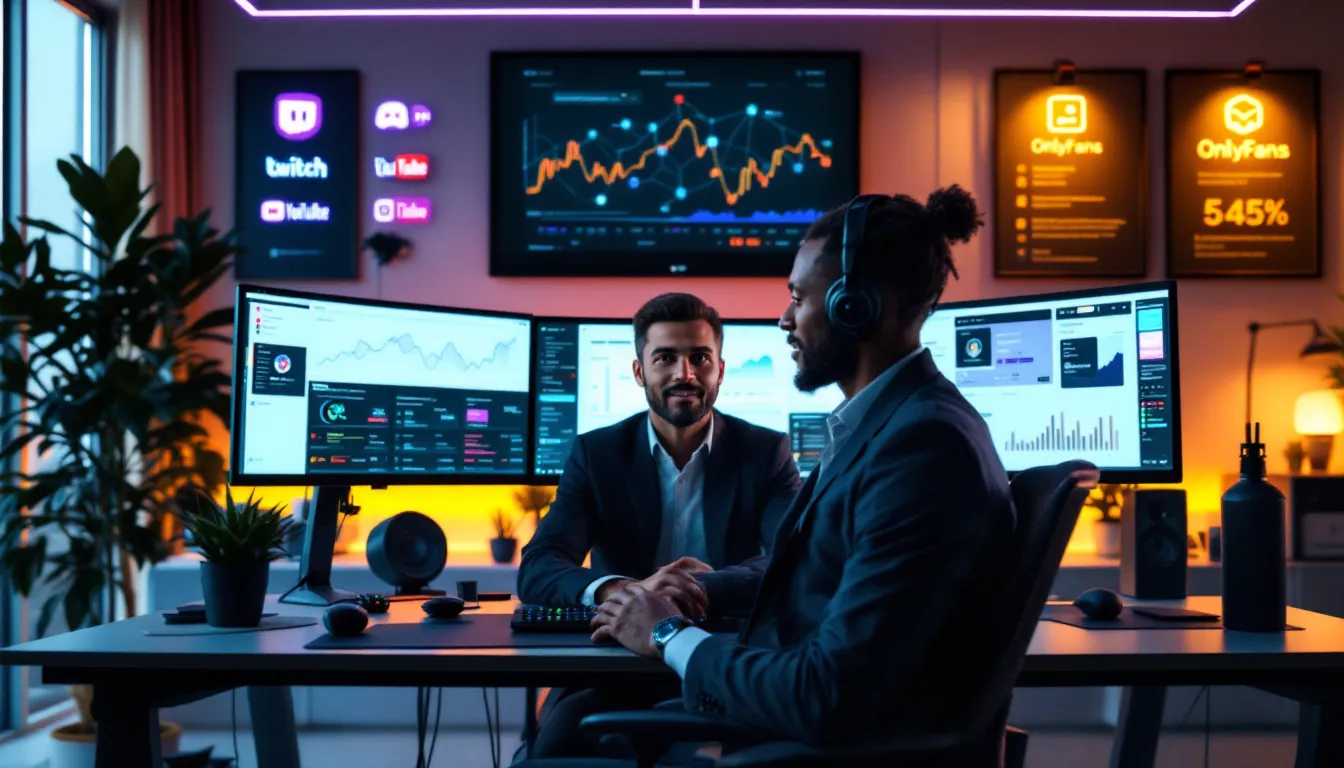
The line between streaming platforms and creator-focused subscription services has blurred significantly. What started as a trend among a select few streamers has evolved into a legitimate income diversification strategy, with creators across multiple genres leveraging multiple platforms to build sustainable careers. By 2026, many gaming content creators are running parallel monetization systems, streaming on Twitch, building communities on Discord, and maintaining exclusive content tiers elsewhere. The economics are simple: Twitch takes 50% of subscription revenue, YouTube’s cut varies, and external platforms can offer creators more control over their earnings. For streamers operating in spaces where Twitch’s guidelines are restrictive or where audience demand for exclusive content is high, supplementary platforms become invaluable. This isn’t just about chasing extra income: it’s about understanding where audiences expect to find different types of creator content and adapting accordingly.
Key Takeaways
- Twitch streamers are diversifying to OnlyFans and similar platforms because Twitch’s 50/50 revenue split and algorithm volatility make it financially unsustainable as a sole income source.
- Multi-platform monetization allows creators to earn substantially more with fewer subscribers through higher payout ratios (typically 80/20), enabling a streamer to potentially match Twitch revenue on secondary platforms with just 5% of their audience.
- Successful Twitch streamers with OnlyFans use distinct content strategies for each platform: live, synchronous community interaction on Twitch versus edited, exclusive educational content and unfiltered commentary on OnlyFans.
- Niche streamers often see better ROI on secondary platforms than top-tier creators because their hyper-dedicated audiences actively support creators financially when given direct payment options.
- The key to sustainable multi-platform presence is treating each platform distinctly through content calendars, automation tools, and clear audience segmentation rather than creating duplicate content across all channels.
- By 2026, maintaining a multi-platform creator presence from day one is more strategic than launching on Twitch alone, as platform fragmentation and audience distribution make single-platform careers increasingly risky.
Understanding The Twitch-OnlyFans Creator Ecosystem
Why Top Streamers Are Diversifying Their Revenue Streams
Twitch subscription revenue alone doesn’t cut it for creators trying to sustain full-time streaming. The platform’s 50/50 revenue split and algorithm volatility mean that even streamers with solid concurrent viewer counts can face income instability. A streamer averaging 5,000 concurrent viewers pulling in 1,000 subscriptions monthly (a realistic number) would earn roughly $25,000 before taxes on Twitch alone. But that income fluctuates with viewership, depends on maintaining Twitch Partner status, and comes with zero guaranteed base.
Streamers have discovered that diversifying across platforms reduces financial risk. OnlyFans, Patreon, Ko-fi, and similar subscription services offer higher creator payouts (typically 80/20 in the creator’s favor), predictable recurring revenue, and ownership of audience data. A second subscription tier somewhere else can match or exceed Twitch revenue with significantly fewer subscribers required. When you control 80% of subscription proceeds instead of 50%, the math changes dramatically.
This strategy extends beyond pure financial security. Some streamers use secondary platforms to explore content directions that Twitch’s community guidelines restrict or actively discourage. Creative freedom matters, the ability to test new ideas, experiment with different content types, and build niche audiences without algorithmic or policy constraints is valuable. Twitch’s moderation is strict: platforms like OnlyFans offer creators much more autonomy over what they publish.
There’s also the audience segmentation angle. Not every follower wants the same content. A gaming streamer might serve casual viewers on Twitch during live streams, but reserve behind-a-paywall content for dedicated fans willing to pay for deeper engagement, educational breakdowns, or exclusive access. This tiering structure mirrors how professional esports orgs manage sponsorships, you give sponsors different tiers of visibility and engagement, and monetize accordingly.
The Growth of Multi-Platform Creator Strategies
Multi-platform presence isn’t new, content creators have been cross-posting since YouTube and streaming became viable, but the sophistication and scale have exploded. By 2026, the default for established creators is to operate on 3+ platforms simultaneously. Twitch for live streaming, YouTube for VOD hosting and discovery, TikTok for clips and algorithm exposure, Twitter/X for community interaction, and at least one subscription service for exclusive content.
The competitive pressure drives this. Audiences fragment across platforms: if you’re only on Twitch, you’re potentially missing thousands of fans who discovered you elsewhere or prefer other communities. New creators entering the space see established streamers spanning multiple platforms and recognize it as the baseline expectation. It’s not optional anymore: it’s table stakes.
Community dynamics have shifted too. Dedicated fans want deeper access and a more personal connection than a Twitch chat allows. Subscription tiers that include Discord server access, direct messaging, or custom content requests fill that gap. Twitch’s rapid chat speed and anonymous culture don’t accommodate that level of intimacy. Creators realized they could charge a premium for exactly what fans want: exclusive access, personalized interaction, and content tailored to subscriber preferences.
The technology infrastructure supporting this has matured. Streaming software like OBS, SLOBS, and StreamElements integrates with multiple platforms. Bots and moderation tools work across Discord, Twitch, and other services. Analytics platforms track audience overlap, viewer source, and monetization across platforms. The friction of managing multiple streams has decreased while the benefits have increased. For a creator today, the effort to add a second monetization platform might be 5-10 additional hours per month. The revenue upside can be substantial.
Notable Twitch Streamers Leveraging OnlyFans
High-Profile Streamers and Their Crossover Success
High-profile streamers, those with 100k+ concurrent viewers, have quietly adopted secondary platforms without necessarily announcing it. These creators already have the follower base to make additional monetization worthwhile, but they’re also extremely conscious of brand image and potential backlash. Their approach is typically quiet: a subtle link in their Twitch bio, a mention during a slow content day, or a Discord announcement to engaged fans.
The economics for top streamers make this obvious. A streamer with 50,000 active Twitch subscribers generates $1.25 million monthly in raw subscription revenue (before the platform cut). Even capturing 5% of that audience on a secondary platform, 2,500 subscribers, at an average $10/month represents $200,000 in gross revenue. The ceiling for high-profile creators is genuinely astronomical when you add all revenue sources together.
But beyond the numbers, high-profile streamers use secondary platforms strategically. Some creators reserve certain content categories, unfiltered commentary, or editorial decisions for paywalled spaces where they face less moderation pressure. Others use it purely as an exclusive fan experience: meet-and-greets, early game access, behind-the-scenes production content, or coaching sessions that Twitch’s model doesn’t accommodate well.
The most successful examples treat secondary platforms as an extension of their streaming brand, not a separate identity. Fans don’t feel bamboozled or exploited when a streamer offers exclusive content elsewhere: they feel they’re getting premium access to something special. The creator maintains consistent personality and messaging across platforms while creating distinct content experiences.
Niche Streamers Finding Dedicated Audiences
While top-tier streamers have the advantage of existing scale, niche streamers often get better ROI on secondary platforms. A streamer with 500 Twitch viewers might struggle to justify time on a second platform if they’re chasing massive numbers. But if those 500 viewers are hyper-dedicated fans paying for exclusive content, the economics flip entirely.
Niche communities, speedrunners, fighting game competitors, indie game enthusiasts, artistic streamers, develop tight-knit audiences that will support creators financially. These viewers are there specifically for that creator’s expertise or personality, not for algorithm exposure. When given the option to support their favorite niche streamer more directly, many will pay for it.
For niche streamers, secondary platforms also solve a discoverability problem. Twitch’s algorithm doesn’t help small streamers break into trending categories. Building a secondary audience through YouTube, TikTok clips, or Reddit communities creates momentum that feeds back into Twitch viewers. Some niche streamers have found that their non-Twitch platforms outperform their streaming channel in terms of engagement and growth. The dedicated audience they build on YouTube or through a newsletter eventually transitions to Twitch subscribers and secondary platform supporters.
This is where Twitch creator strategies differ from broader influencer strategies. Gaming‘s streaming culture emphasizes real-time community interaction and live play, which Twitch uniquely enables. But Twitch alone has never been a complete monetization solution. Niche streamers recognized this earlier than mainstream creators because they had to optimize harder just to earn a sustainable income.
Revenue Models and Monetization Strategies
How Streamers Use OnlyFans Content Differently Than Twitch
The content separation between Twitch and OnlyFans (or similar platforms) isn’t arbitrary. Successful creators develop distinct content strategies for each platform based on what works and what the format allows.
On Twitch, streamer content is live, synchronous, and ephemeral. Chat interaction drives engagement: community standards are publicly enforced. The algorithm rewards consistency and viewer retention. Content needs to be accessible to new viewers dropping in at any point during a stream. Streamer personality and improvisation dominate because the format demands it.
On OnlyFans or similar platforms, creators control the medium entirely. They can publish polished, edited videos: high-effort guides: detailed breakdowns: or exclusive behind-the-scenes footage shot specifically for that audience. No algorithmic pressure, no moderation constraints on language or editorial decisions, no random viewers stumbling in from a category page.
For gaming streamers specifically, this means OnlyFans content often includes:
- Educational/coaching content: Deep-dive strategy guides, character builds, frame-by-frame combat analysis that’s too detailed for live streaming
- Unfiltered commentary: Streamer opinions on games, industry decisions, or competitive scenes without worrying about Twitch’s guidelines
- Production content: Studio tours, equipment breakdowns, behind-the-scenes streaming setup footage
- Personal/lifestyle content: More candid interaction with audiences who’ve paid for access
- Exclusive clips and VODs: Extended versions of Twitch streams or content that didn’t make the live cut
This separation works because audiences understand the platforms serve different functions. Twitch subscribers get daily entertainment and community. OnlyFans supporters get deeper access and curated, higher-effort content. The value proposition is clear for each tier.
Subscription Tiers and Exclusive Perks for Subscribers
Successful streamers structure their OnlyFans (or equivalent) accounts with tiered access, mirroring how games themselves use monetization progression. A basic free tier might include occasional clips or announcements. Tier 1 ($5-$10/month) includes regular exclusive videos, early access to Twitch VODs, or Discord access. Higher tiers ($15-$25+) add coaching sessions, custom content requests, or direct messaging.
The psychology of tiering is proven: most subscribers pick mid-range options rather than extremes. A streamer offers three tiers at $5, $12, and $25, and the majority choose the $12 tier. They feel they’re getting more than the basic option but aren’t overextending financially. The highest tier attracts power supporters and completionists willing to spend heavily for maximum access.
Perks matter more than price. A subscriber paying $10/month for Discord access and custom video shoutouts is more satisfied than a subscriber paying $5 with zero perks, even though the higher price. Creators who build successful paywalled communities recognize that exclusivity and access (not just content) drive the perceived value.
Some streamers add time-limited promotions: new subscriber bonuses, discounted tiers during slow months, or exclusive content windows (“this video only available for 48 hours”) to drive urgency. Others keep pricing stable and focus on consistent, high-quality content and engagement as the retention lever.
Direct Support: Tips, PPV, and Custom Content
Beyond recurring subscriptions, streamers generate revenue through direct payments. Tips or one-time donations on secondary platforms work similarly to Twitch’s bits or subscriptions but with better creator payouts. Pay-per-view options (unlocking specific videos for a one-time fee) work for major events or special content drops.
Custom content requests are huge for creators willing to produce personalized videos. A fan pays $50-$500 for a custom video message, reaction, or gameplay session. For streamers with supportive audiences, this can be extremely lucrative. It’s individualized, high-effort content that fans genuinely value, and it’s pure margin for the creator (no platform cut beyond the base subscription service).
The best creators develop a “content menu”: tiered pricing for different request types. Basic shoutout? $25. Custom gameplay reaction? $75. Extended personalized coaching video? $150. This creates a secondary monetization layer that’s difficult to scale but incredibly profitable per request.
Tips also accumulate faster than you’d expect. A platform with 5,000 subscribers, even at a modest $8/month average, plus organic tips and custom requests, can match a Twitch streamer’s subscription revenue while offering better payout ratios and more creator control. That’s why the strategy works, it’s not about replacing Twitch revenue: it’s about adding meaningful, sustainable income on top.
Platform Policies, Challenges, and Ethical Considerations
Twitch Guidelines on External Content and Links
Twitch explicitly allows streamers to promote other platforms and monetization links, but with constraints. Streamers can link to personal websites, Patreon, Ko-fi, or YouTube in their panels and bios. They can mention external platforms during streams. But they can’t direct viewers to adult content platforms during broadcasts or in channel descriptions if the main Twitch channel is marked as non-adult.
This policy creates a complication for streamers using platforms explicitly designed for adult content creators. While OnlyFans hosts plenty of non-adult creators, it’s primarily known for adult content. Twitch’s policies don’t explicitly ban OnlyFans links, but they do require that a channel claiming non-adult status not actively promote adult content elsewhere. The gray zone is huge.
Practically, this means many streamers promote secondary platforms quietly or not at all on Twitch proper. They share links in Discord, on Twitter, or directly with subscribers. Twitch doesn’t actively police secondary platform content, but if a channel gets reported or reviewed and is found promoting adult material, the consequences can be severe: temporary bans, loss of Partner status, or permanent suspension.
Streamers serious about maintaining a Twitch presence navigate this carefully. They either use platforms explicitly designed as non-adult (Patreon, Ko-fi, subscription services for creators) or keep their Twitch presence scrupulously separate from adult-oriented secondary accounts. The safest approach is using dedicated creator subscription platforms that aren’t perceived as adult-only, even if they’re used for adult content.
The Risk of Brand Reputation and Audience Perception
Monetizing through multiple platforms works only if audiences trust the creator. The moment fans feel exploited, like a creator is paywalling basic content or making Twitch streams worse to push people toward paid tiers, the backlash is immediate and lasting.
Brand damage from multi-platform monetization usually comes from perception rather than reality. A streamer promoting a secondary platform isn’t objectively worse: but if they’re perceived as money-hungry, that perception sticks. This is especially acute for streamers with younger audiences, where parent concerns about predatory monetization carry weight.
Successful streamers manage this through transparency and value clarity. They explain what subscribers get, why the content exists separately, and how it benefits the creator and dedicated fans. They don’t oversell or mislead. They maintain quality across all tiers so free viewers don’t feel abandoned. They engage heavily with free-tier followers so the channel doesn’t feel like a paywall farm.
The reputational risk is real enough that many established streamers hesitate to publicize secondary platforms aggressively. They’d rather word-of-mouth spread through existing communities than risk public perception of aggressive monetization. This understated approach has become the norm among high-profile creators who can afford it.
For streamers navigating this, consistency and honesty are the guardrails. Audiences are remarkably forgiving of legitimate monetization if they feel respected and not deceived. The creators facing reputational crises typically crossed ethical lines: false scarcity, misleading claims about exclusive content, or obvious abandonment of free platforms once they got paid.
Building a Sustainable Multi-Platform Presence
Best Practices for Content Separation and Audience Management
The logistics of maintaining multiple platforms are non-trivial. Streamers who succeed in multi-platform monetization develop systems to make it manageable. The goal is creating distinct but complementary experiences without burning out or diluting content quality.
Content calendar planning is essential. A streamer maps out which content goes where: daily Twitch streams, weekly YouTube videos, monthly in-depth guides for OnlyFans, Discord updates, and TikTok clips. This prevents overlap, ensures each platform gets fresh content appropriate to its format, and prevents decision paralysis. Templates and templates-based workflows help. Recording software settings that save optimal exports for each platform reduce editing friction.
Audience segmentation matters. A creator treats Twitch viewers, YouTube subscribers, and OnlyFans supporters as distinct communities with different expectations. Twitch viewers come for daily live streams and community interaction. YouTube audiences prefer edited, higher-production content they can consume asynchronously. OnlyFans supporters expect exclusive, curated material. The same creator can serve all three groups with appropriately tailored content.
Tools like TubeBuddy, Social Blade, or platform-native analytics help creators understand audience overlap and preferences. If 80% of YouTube subscribers also follow the Twitch channel, content strategy can adjust to avoid frustrating duplication. If OnlyFans supporters are a distinct audience (engaged fans who rarely visit other platforms), that informs what goes behind the paywall.
Integration points reduce redundancy. A Twitch clip auto-published to TikTok, YouTube Shorts, and Twitter saves editing time. A monthly community QA on Discord surfaces popular questions that become the basis for OnlyFans educational content. VOD highlights become YouTube long-form videos. Smart reuse of core content across platforms maximizes value without creating more work.
Tools and Strategies for Cross-Promotion Without Burnout
Streamers maintaining multiple monetization sources report burnout as the primary risk. The temptation is to treat each platform as a full-time job, which isn’t sustainable.
Automation tools help significantly. Scheduling software like Buffer or Later, RSS-to-social bridges, and Discord bots that auto-post to secondary accounts reduce manual work. Streaming software OBS configurations can output to multiple platforms simultaneously, though quality varies based on platform specs. Some creators pre-record content during low-demand periods and schedule it across platforms during their working hours.
Batch content creation is another strategy: dedicating specific days to producing all content for the week or month rather than spreading creation across every day. A streamer might block Tuesday and Thursday afternoons for OnlyFans video production, saving the shoots up, editing them in batch, and scheduling releases across the month. This feels more efficient than jumping between Twitch streams and editing constantly.
The most sustainable approach treats secondary platforms as force multipliers rather than mandatory daily commitments. A streamer does their core activity (streaming on Twitch), and secondary content (YouTube edits, clips, OnlyFans guides) is derivative work from that core. They’re not creating twice as much: they’re repackaging and extending the same creative work across platforms.
Community management is where creators most often overextend. Each platform has a chat, DMs, or comment section. Streamers can’t personally respond to everyone without working 16-hour days. Successful multi-platform creators use moderators, automate responses, and set clear expectations about response times. A Discord moderator team handles server management: YouTube community tabs are monitored but not livechatted: OnlyFans DMs are answered 2-3x per week. Audiences understand that scaled creators can’t be everywhere simultaneously.
Boundary-setting is crucial. A creator decides what percentage of their time goes to each platform: perhaps 60% to Twitch streams, 20% to YouTube and clip editing, 15% to OnlyFans and community management, 5% to other channels. They stick to that allocation regardless of platform-specific opportunities. This prevents the optimization spiral where platforms constantly demand more while offering diminishing returns.
The Future of Creator Monetization in Gaming
By 2026, the multi-platform creator model isn’t a trend, it’s the framework. The question isn’t whether streamers will diversify, but how quickly they’ll need to do so to remain competitive.
Twitch’s role is shifting from “the” platform for gaming content to one component of a creator’s ecosystem. The platform still drives discovery and live audience size, but it’s increasingly one of several revenue sources rather than the primary one. Creators view Twitch as essential for brand-building and audience growth, not as a self-sufficient income stream.
Platform consolidation might reshape this landscape. If a dominant creator platform emerges that combines streaming, VOD hosting, subscription tiers, and analytics, it could reduce the need for multi-platform distribution. But that hasn’t happened yet, and incumbents (Twitch, YouTube) have strong network effects preventing displacement. More likely is continued fragmentation: streamers choosing platforms based on specific needs (Kick for high payouts, YouTube for algorithm reach, Patreon for community-driven support).
Policy changes will matter. Twitch could become more restrictive about secondary platform links, forcing creators to choose between platforms. Regulators might impose taxation or content standards across subscription services. These shifts would reshape creator strategy, but the fundamental incentive, creators wanting better payouts and more control, won’t disappear.
Audience expectations are also evolving. Gaming audiences increasingly expect creators to engage across multiple platforms and provide exclusive content at different tiers. This tiered support model mirrors how fans already interact with professional esports teams, game developers, and other entertainment creators. It’s becoming the norm, not the exception.
For creators entering the space in 2026, starting with multiple platforms from day one is smarter than launching on Twitch alone and adding platforms later. The audience fragmentation and platform dependencies make single-platform careers increasingly risky. Building a multi-platform presence from the start distributes that risk and creates more stable income as the channel grows.
The most successful creators in 2026 will likely be those who’ve mastered audience psychology: understanding what different community segments want, where they congregate, and how to serve each with distinct but complementary content. Technical streaming skills matter less than community-building skills and business acumen. The creator economy has matured past the “just stream a game and see what happens” phase.
Conclusion
Twitch streamers diversifying to OnlyFans and similar platforms aren’t abandoning their core audiences, they’re building on them. The creators who thrive in 2026 are those who understand that modern content creation is a multi-platform game: Twitch for daily engagement, YouTube for discoverability and algorithmic reach, Discord for community building, and subscription services for premium content and direct creator support.
The revenue advantages are undeniable. Better payout ratios, direct audience relationships, and reduced algorithmic pressure make secondary platforms economically rational. But the real driver is audience demand. Fans want more, different, and exclusive access. They’ll pay for it when the value is clear.
Navigating this landscape requires planning, boundaries, and authenticity. Streamers succeed by treating each platform distinctly, respecting audience expectations, and focusing on content quality rather than aggressive monetization pushes. The creators building sustainable, multi-six-figure careers are those who balance growth across platforms rather than betting everything on one.
Whether you’re a streamer considering diversification or an audience member understanding creator economics, the takeaway is the same: the streaming landscape is more complex and intentional than it appears. What looks like simple platform choices reflects deliberate business strategy shaped by revenue incentives, audience preferences, and platform constraints. That sophistication is only increasing as gaming audiences mature and creators become more businesslike about their craft.